




Description
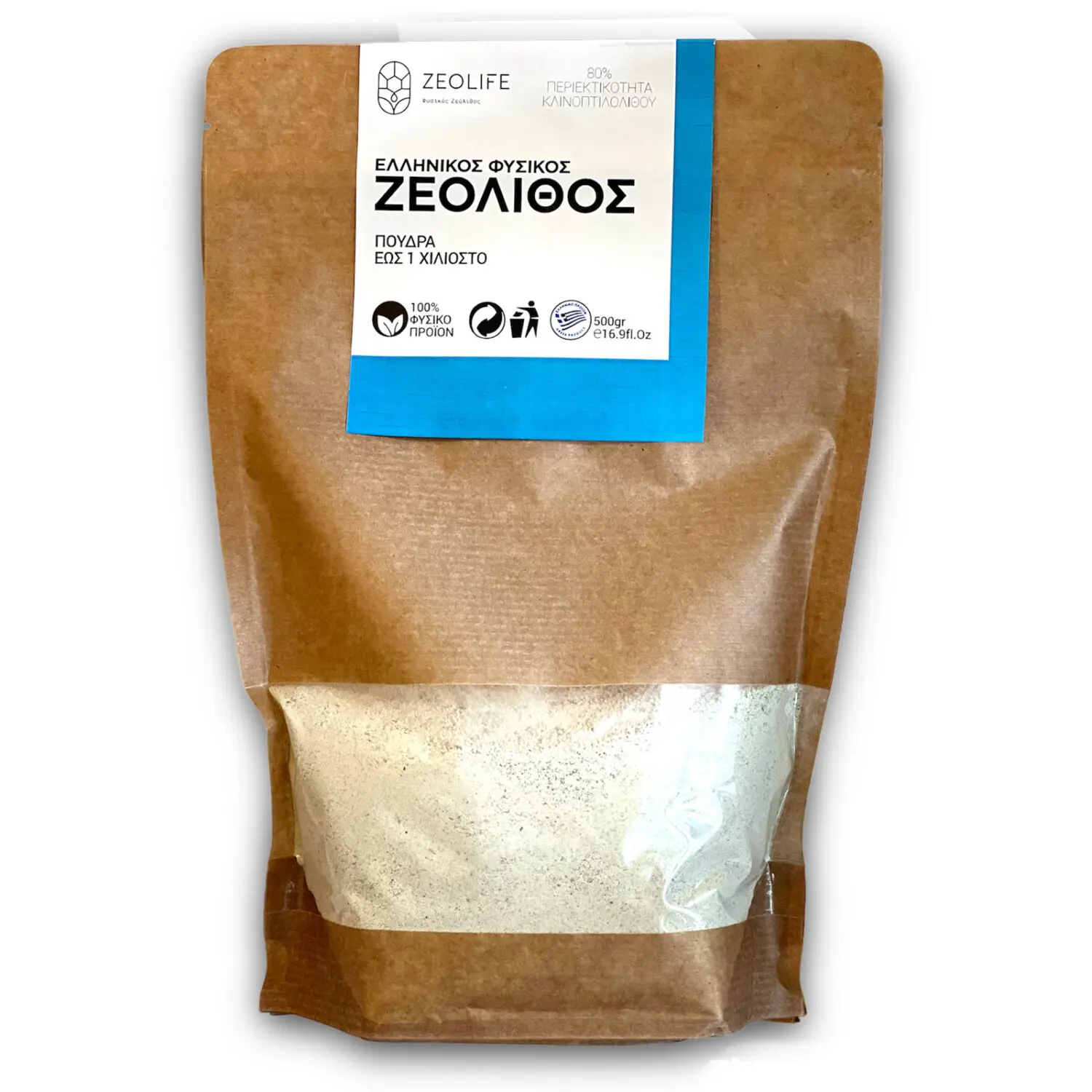
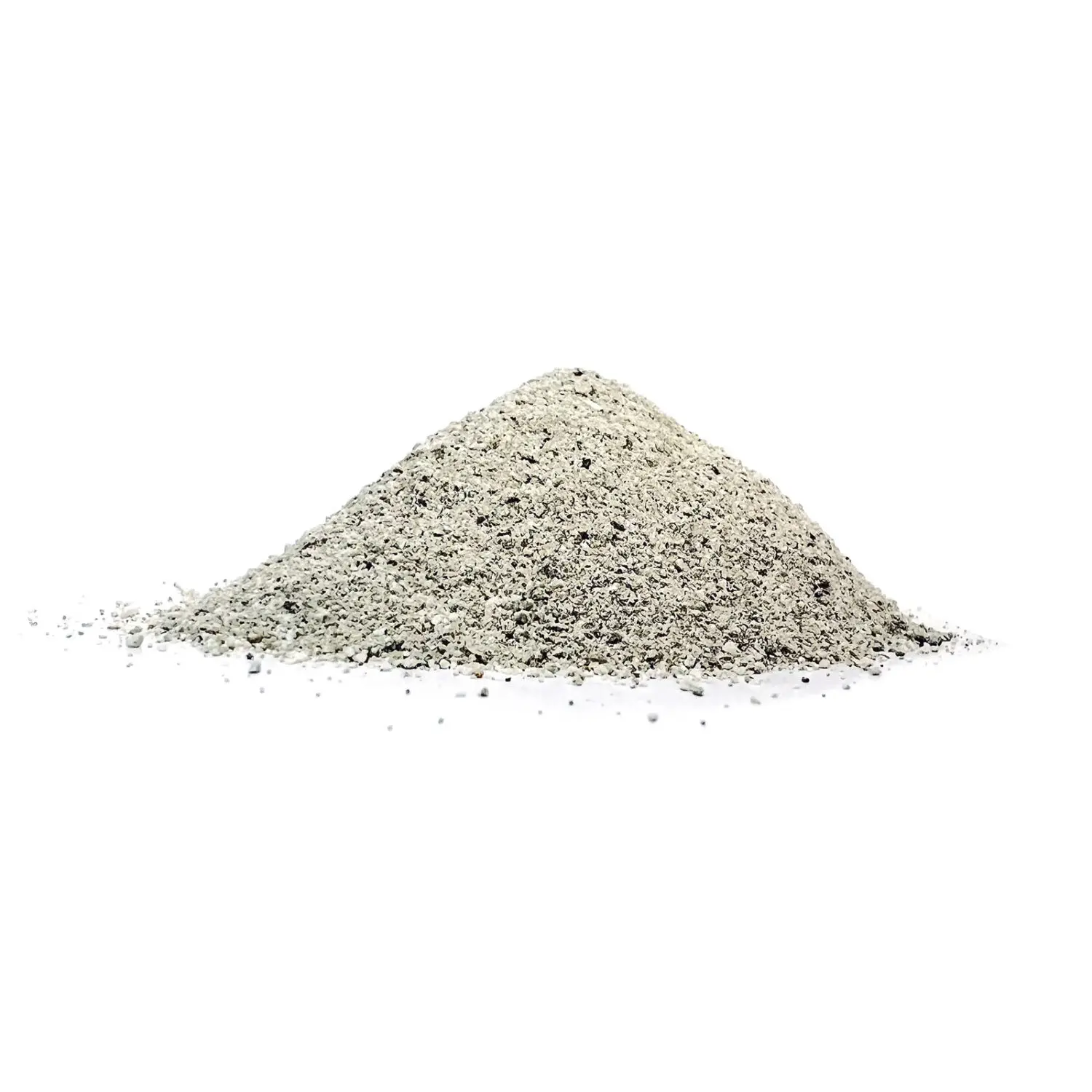
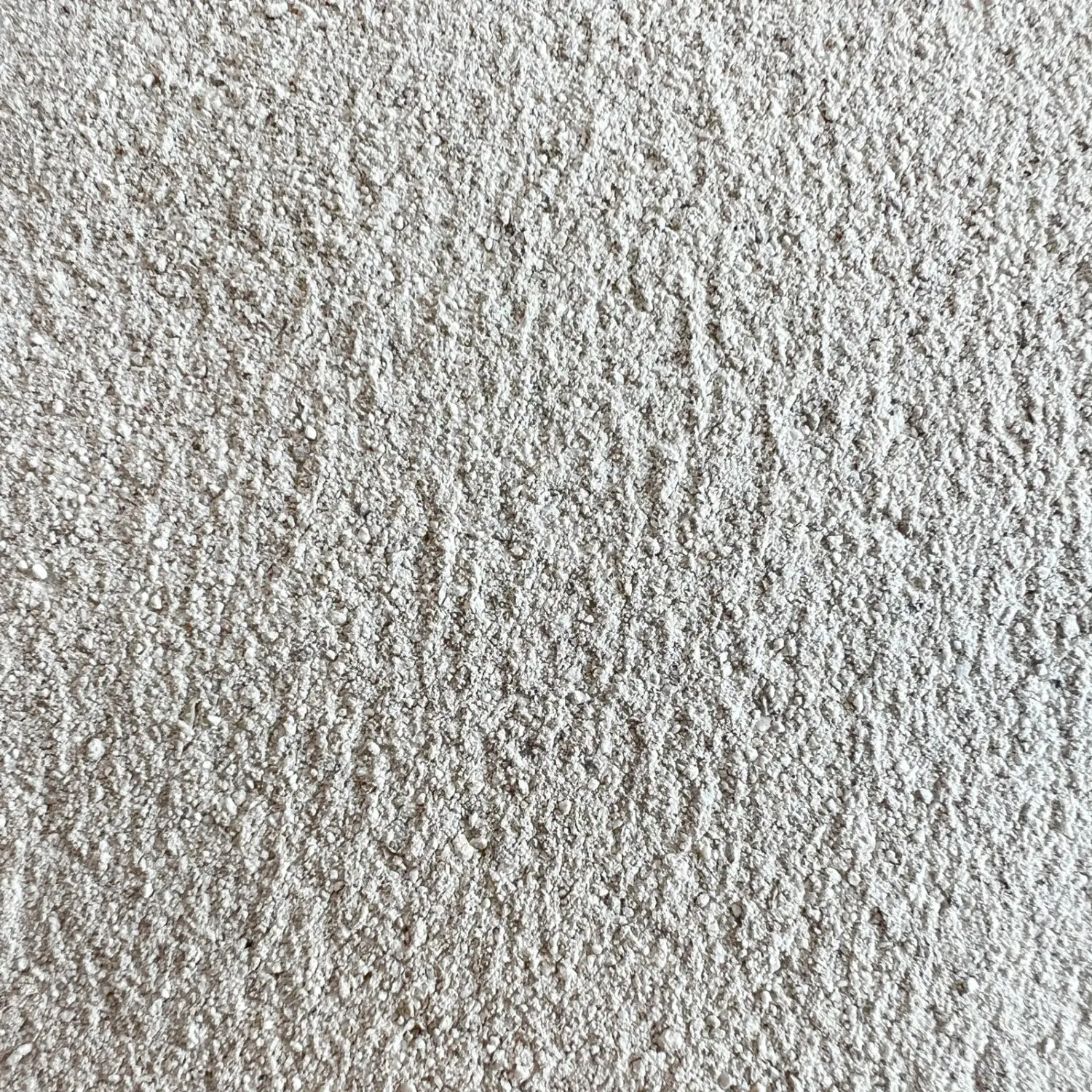
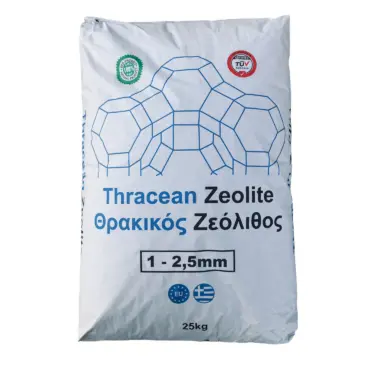
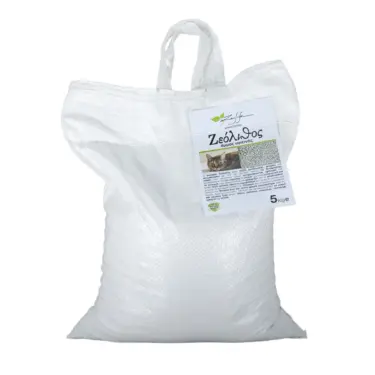
Greek zeolite, up to 1 millimetre in size – powder form, with ideal particle size distribution for incorporation into very small-scale cultivation such as nurseries and seedbeds. In agriculture, it is used in applications where incorporation is not possible. In industry, it is used for environmental cleaning and management. Packaged in 500-gram packs.
Applications
In agriculture
Zeolite is usually applied by incorporation into the soil in quantities ranging from 300 to 450 kg per stremma, depending on the soil type and its particle size distribution (particle size).
See below for the recommended dosage based on soil composition and the size of the crop
Small-scale crops (vegetable patches, vineyards, gardens, lawns, pots and planters, and other small-scale crops)
- Light soil
- Medium-textured soil:
- Heavy soil:
Large-scale crops (trees, maize, cotton and other large-scale crops)
- Light soil
- Medium-textured soil:
- Heavy soil:
A total quantity of 300 to 450 kg per stremma is required to maximise its contribution to increased production. Its beneficial effect is long-lasting because zeolite does not decompose like other materials.
Characteristics
- 100% eco-friendly
- 100% compatible with organic farming
- Acts as a molecular filter
- Manages soil nutrients and water
- Balances pH
- Cleanses the soil of heavy metals, toxins and free radicals
- Increases the yield and quality of produce
- Delivers lasting results as it does not degrade, decompose or change in composition
- It enhances resistance to diseases and pests
- It combines perfectly with active microorganisms, enhancing their action
- It can be used as a growing medium to aid the development of hydroponic crops in Mediterranean conditions, for vegetable, flower and aromatic plant varieties
- It helps to reduce the amount of fertiliser used
- It prevents the growth of fungi
- It protects plants from stress in adverse conditions
Read more about the use of zeolite in agriculture on our information website
Domestic use of zeolite
Natural Greek zeolite, ground to a fine powder of up to 1 millimetre, is environmentally friendly and widely used in gardening and organic farming. It is applied by mixing it into the soil in pots and planters, vegetable patches, lawns, trellises and trees. It acts as a molecular filter and manages the soil’s nutrients and water by balancing the pH. At the same time, it purifies the soil of heavy metals, toxins and free radicals. This increases both the yield and the quality of the produce. The results are permanent, as zeolite does not degrade, decompose or change in composition.
Instructions for use
Vegetable garden: Spread 5 kg over an area of 30 to 50 square metres and mix it into the soil to a depth of up to 30 centimetres. Repeat the process for a further 2 consecutive years.
Lawn: Spread 5 kg over an area of 50 square metres and water.
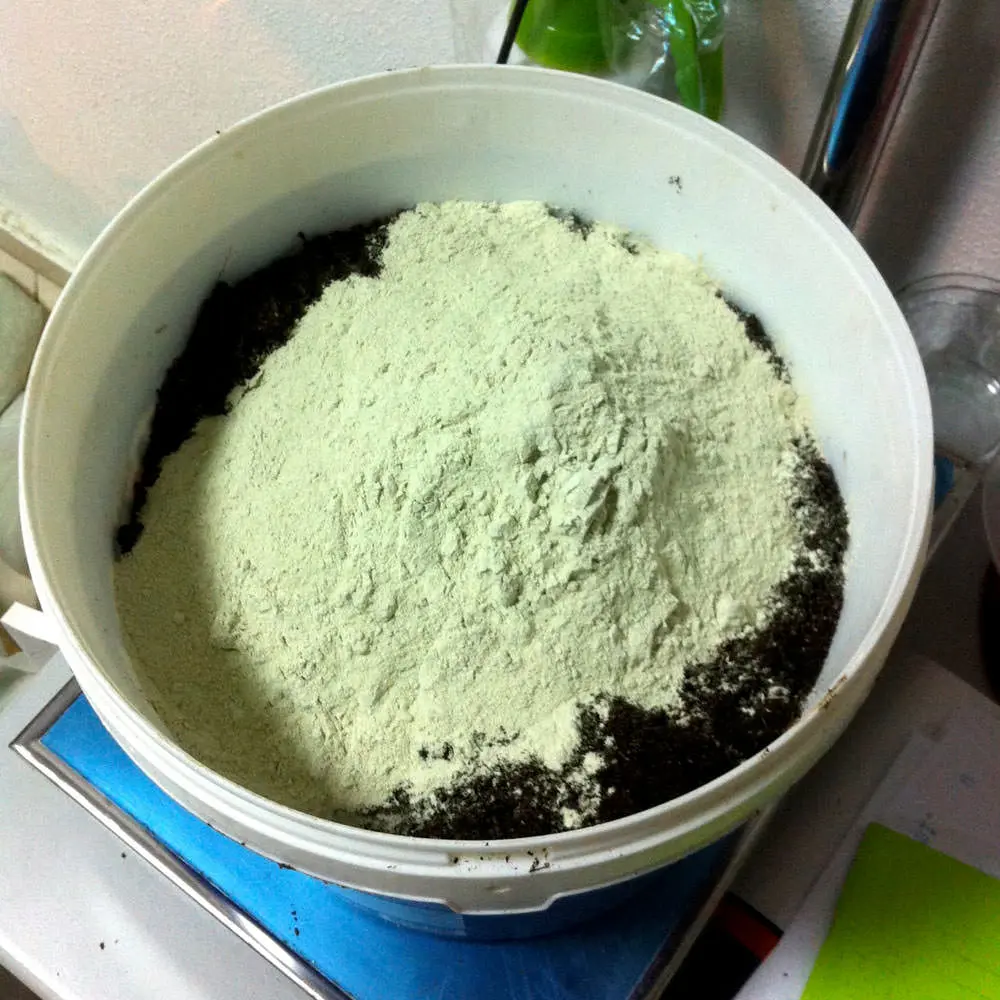
Pots & Planters: Replace the soil with a mixture of new soil and zeolite in the following ratio by weight: 90 per cent soil – 10 per cent zeolite.
Vines: Spread 380 grams over the entire area within a half-metre radius around each root and mix in to a depth of up to 20 centimetres. Repeat the process for a further 2 consecutive years.
Trees: Spread 5 kg over the entire area within a radius of half a metre around the trunk of a tree and work it into the soil to a depth of up to 20 centimetres. Repeat the process for a further 2 consecutive years.

Reviews
There are no reviews yet.