



Description
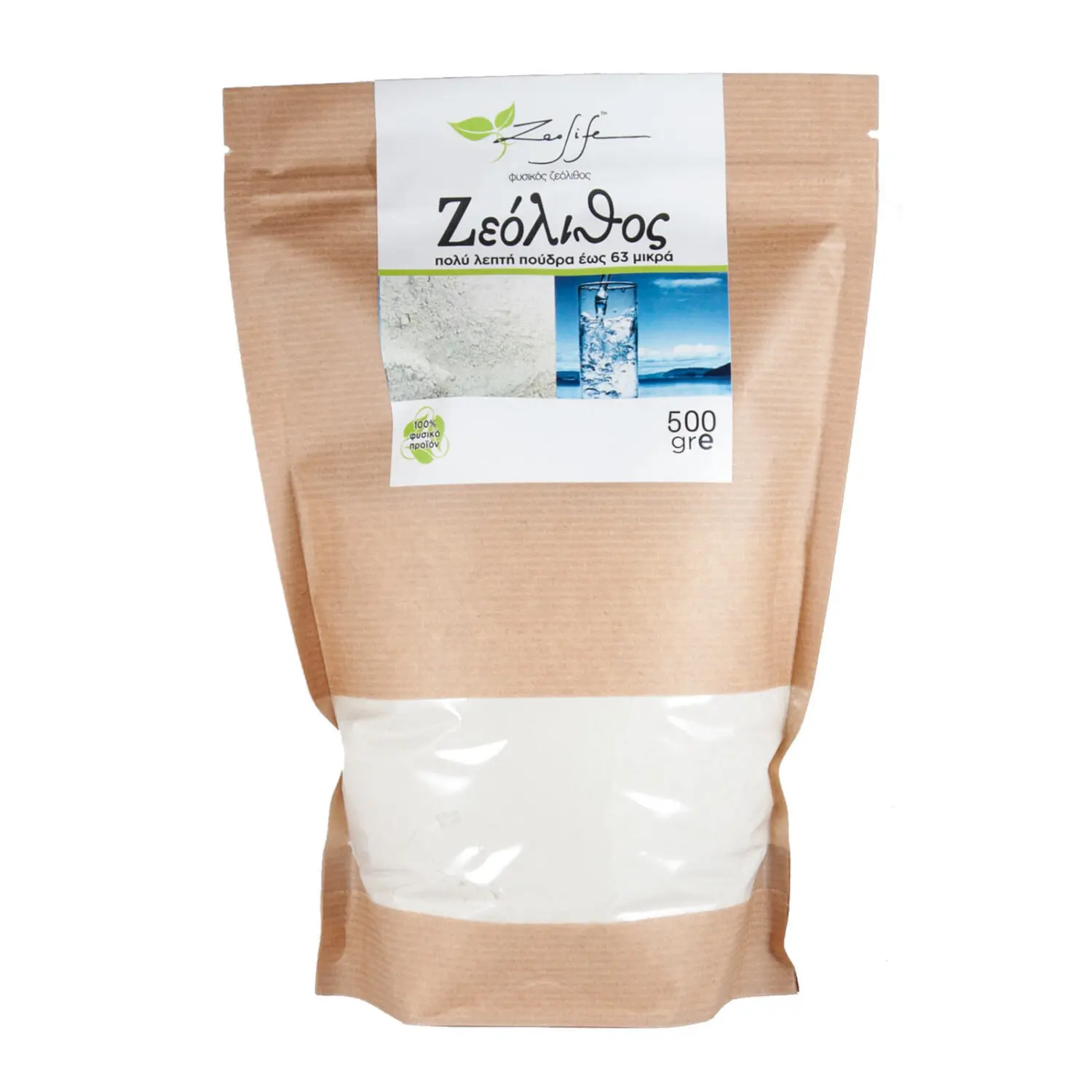
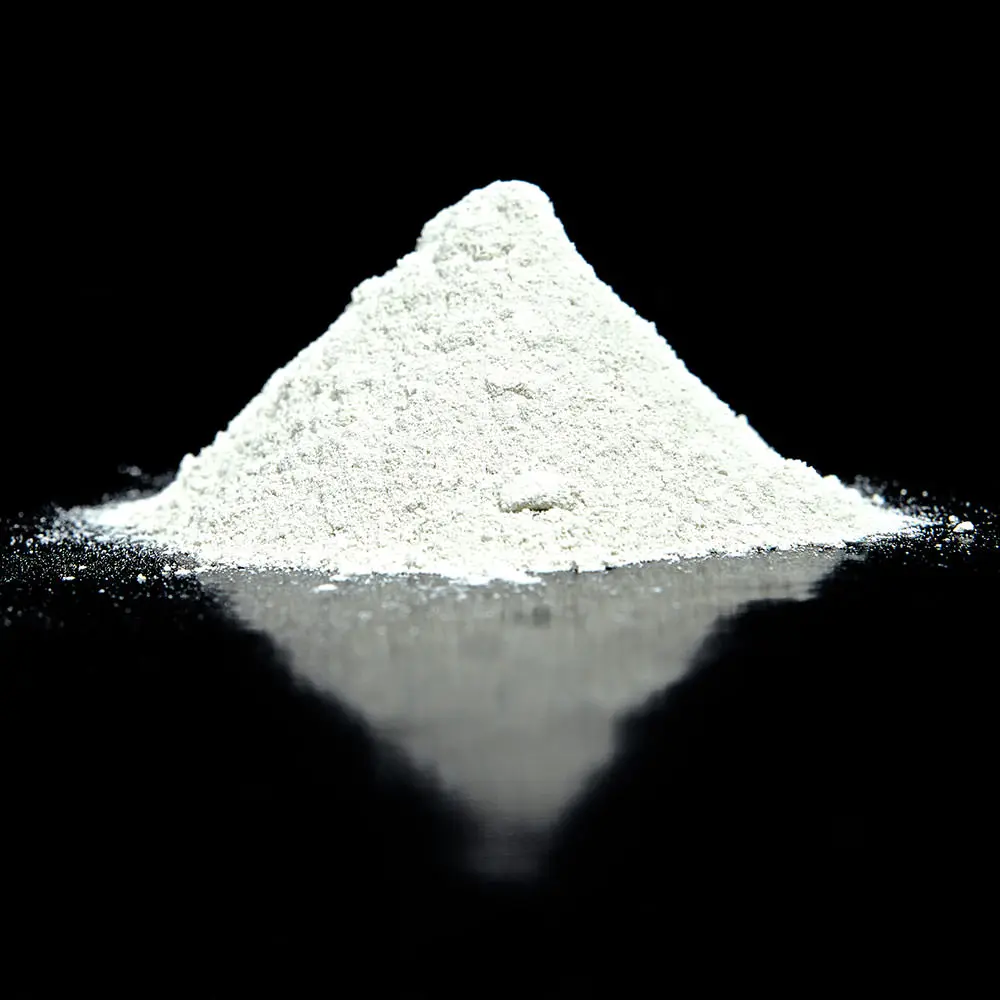
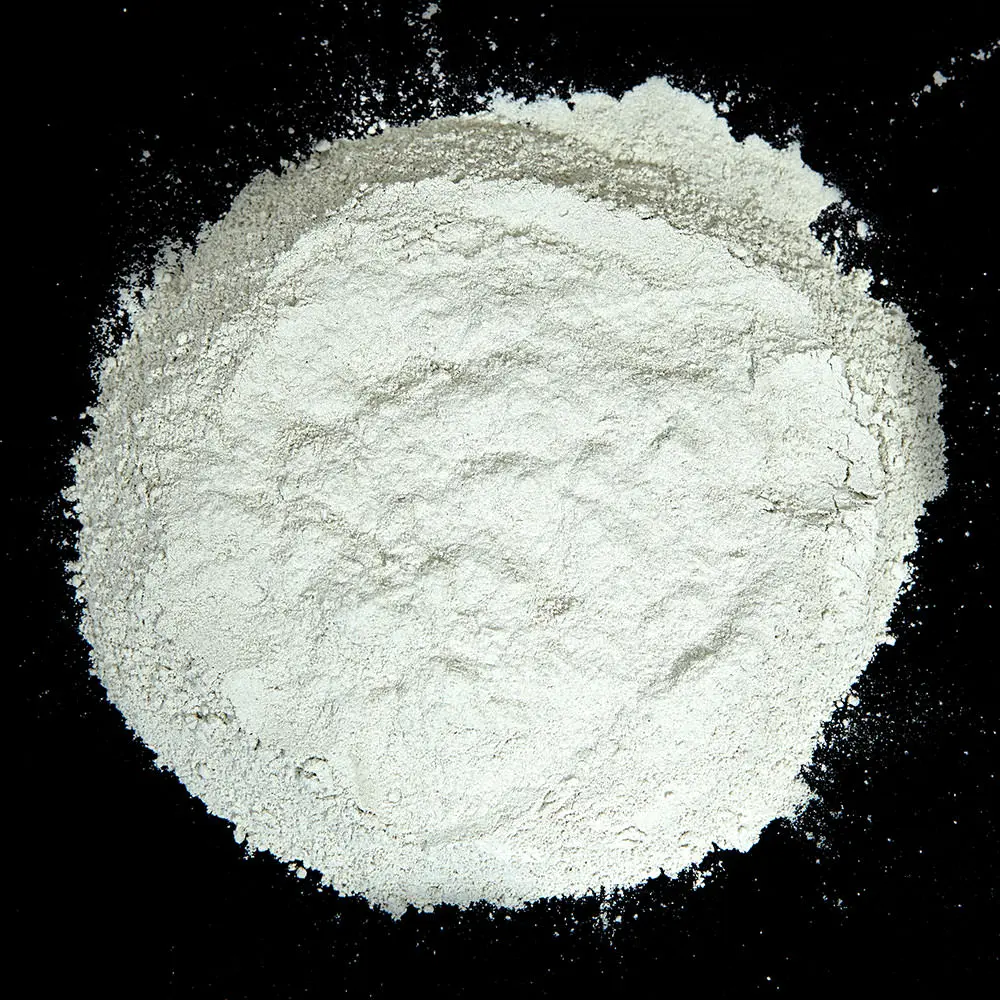
Zeolite up to 0.063 millimetres – Very fine powder, the finest particle size available. Used as an additive in feed for very small animals and in their living environments. Used for root irrigation in agriculture and as a detergent, cleaner, antifungal agent and filtration medium for industrial and domestic use. Pack size: 500 grams.
Applications
Zeolite in agriculture
Zeolite is usually applied by incorporating it into the soil at rates of 450 to 600 kg per stremma, depending on the soil type and its particle size distribution (particle size). In heavy soils, zeolite with a particle size of 2.5 to 5 millimetres is preferred, whilst in light soils, it is preferred in the form of fine gravel (0.8–2.5 millimetres). A total quantity of 450 to 600 kg per stremma is required to maximise its contribution to increased yield. Where it is not possible to till the soil, the root-irrigation method is used. Its beneficial effect is long-lasting because zeolite does not decompose like other materials.
Characteristics
- 100% eco-friendly
- 100% compatible with organic farming
- Acts as a molecular filter
- Manages soil nutrients and water
- Balances pH
- Cleanses the soil of heavy metals, toxins and free radicals
- Increases the yield and quality of produce
- Delivers lasting results as it does not degrade, decompose or change in composition
- It enhances resistance to diseases and pests
- It combines perfectly with active microorganisms, enhancing their action
- It can be used as a growing medium to aid the development of hydroponic crops in Mediterranean conditions, for vegetables, flowers and aromatic plants
- It helps to reduce the amount of fertiliser used
- It prevents the growth of fungi
- It protects plants from stress in adverse conditions
Read more about the use of zeolite in agriculture on our information website
Zeolite in livestock farming
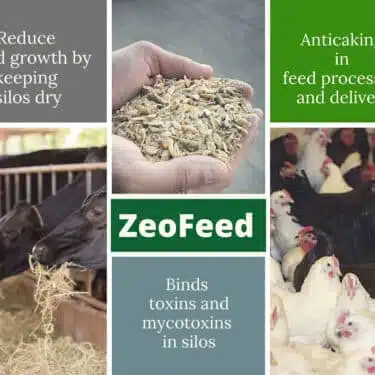
Zeolite up to 0.063 millimetres – A very fine powder, it can be added to the feed of very small animals at a rate of 2 to 2.5 per cent of their diet. For addition to the feed of small animals, we use a particle size of up to 0.15 millimetres in the form of a fine powder. When adding it to the feed of larger animals, we use a particle size of up to 0.8 millimetres in powder form. Zeolite cleanses their digestive system of heavy metals, free radicals and toxins. Using 100 grams of the fine gravel grade (0.8–2.5 millimetres) per square metre, on the floors of stables or other areas where animals are kept, it significantly reduces odours by absorbing and neutralising ammonia and hydrogen sulphide.
The European Union, in accordance with Directive 70/524/EEC (Commission Regulation (EC) No 1810/2005), has officially authorised the use of sedimentary-origin clinoptilolite as a binding and anti-caking additive in feed for poultry, for cattle, pigs and salmon.
European Union Implementing Regulation authorising clinoptilolite as a feed additive
In the wider area of Petrota, Nea Orestiada, where natural zeolite is found in abundance, many stables and other buildings use zeolite as a building material. Due to its antifungal properties, it also protects the animals’ udders from disease, improving the quality and increasing the quantity of milk produced. As it absorbs ammonia and other harmful substances, the odourless manure can subsequently be used as fertiliser.
Results from its use in livestock farming
The use of natural zeolite in livestock farming can yield the following results:
- It protects animals from intestinal disorders by combating diarrhoea.
- It reduces feed consumption.
- It reduces the need for medication in animals.
- It reduces mortality rates among young animals and promotes their growth.
- It binds the ammonia produced during the digestion of feed, whilst simultaneously releasing potassium, which regulates stomach acidity, thereby facilitating the absorption of minerals and nutrients.
- It binds and removes toxins and allergens from feed via the digestive tract.
- It enhances the animals’ immune system.
- It helps to increase milk production and improve meat quality. A 17 per cent increase in milk production has been observed in cows.
- It helps to control odours, particularly ammonia and hydrogen sulphide, in feed storage and handling areas on livestock farms.
- It improves the living conditions of animals in rearing pens.
- In poultry, an increase in egg production and a 7 per cent increase in body weight have been observed.
- In goat rearing, a 2.5 per cent inclusion in their feed resulted in increased weight, births of triplets and quadruplets, and a significant increase in the fat content of their milk.
Read more about the use of zeolite in livestock farming on our information website
Environment
The unique composition of the mineral zeolite endows it with significant physical and chemical properties, resulting in the constant development of new applications for its use, making it one of the most useful minerals today. Zeolite, acting as a ‘molecular sieve’, traps positive ions, absorbing a multitude of environmental pollutants amounting to as much as thirty (30) per cent of its weight.
Zeolite contributes to a cleaner and safer environment in countless ways. It is used to enrich the atmosphere with oxygen due to its selective ability to absorb nitrogen. It is used to clean up oil spills from the seas. As a redox catalyst, it can remove atmospheric pollutants, such as engine exhaust gases and CFCs, which cause ozone depletion. Adding zeolite to cement in the construction sector significantly reduces carbon dioxide emissions. It also improves and purifies drinking water by filtering out all substances that are hazardous to humans.
Read more about the environmental applications of zeolite on our information website
Domestic use
- Removing food residues: Add up to 0.063 millimetres of zeolite – a very fine powder – to your washing-up liquid at a ratio of 10 per cent
- Washing vegetables and fruit: Add one tablespoon of zeolite (up to 0.063 millimetres) – Very fine powder; place it in a bowl of water and leave your vegetables or fruit to soak in it for at least an hour.
Read more about the domestic use of zeolite on our information website
Industrial use
Zeolite contributes to a cleaner and safer environment in countless ways. It is used to enrich the atmosphere with oxygen due to its selective ability to absorb nitrogen. It is used to clean up oil spills from the seas. As a redox catalyst, it can remove atmospheric pollutants, such as vehicle exhaust fumes and CFCs, which cause ozone depletion. Adding zeolite to cement in the construction sector significantly reduces carbon dioxide emissions. It also improves and purifies drinking water by filtering out all substances hazardous to humans.
Natural zeolite has been used to protect against nuclear radiation leaks, such as at Fukushima and Chernobyl. Due to its ability to bind heavy metals, zeolite is often applied in large quantities in areas affected by radiation leaks. It binds the radioactive material, which is then collected and encapsulated in glass and cement.
In industry, it is used in filters to capture carbon dioxide and other harmful compounds. Zeolite can also be used to filter liquid industrial waste, by binding various toxic and radioactive ions, as well as in the recycling of water from industrial activities. Most importantly, however, after use and with appropriate treatment, its properties can be restored so that it can be reused.
Read more about the use of zeolite in industry on our information website

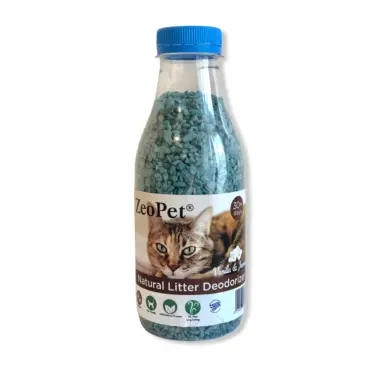
As it is very thin, it is very easy to use
Όντος πολύ λεπτή, χρησιμοποιείται πολύ εύκολα
Automatically translated from Greek · Show original